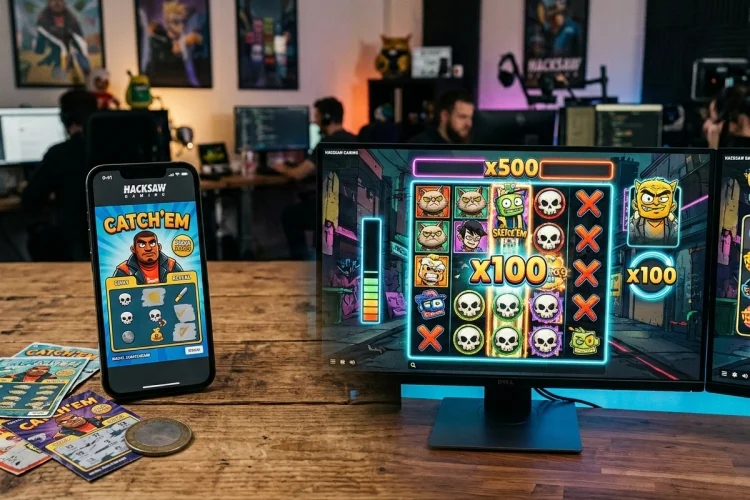

A polished slot game can look reliable within seconds. The animation runs smoothly, the soundtrack sounds professional, and the bonus symbols promise impressive rewards.
However, attractive presentation alone does not prove that the developer follows recognized technical or regulatory standards. Determining whether a Slot Provider Trustworthy reputation is deserved requires a little research.
Useful signals include valid licensing, independent game testing, transparent mathematical information, secure software practices, and clear rules.
You should judge the company across several releases rather than relying on one popular title. Here are seven practical signs that separate a credible software studio from an unknown supplier with little verifiable information.
1. It Holds Relevant Gaming Licences
A trustworthy supplier should be authorized to provide gambling software in the regulated markets it serves. Some regulators issue specific business-to-business licences for companies supplying the essential components of gambling games.
The Malta Gaming Authority, for example, describes its Critical Gaming Supply licence as a B2B authorization covering the supply and management of material game elements.
A licence is jurisdiction-specific. Approval in one country does not automatically mean the provider can legally supply games everywhere.
2. Its Games Receive Independent Testing
Random slot outcomes cannot be evaluated reliably by making a few hundred demo spins. Independent laboratories use technical and statistical methods to examine RNG systems and game mathematics.
Gaming Laboratories International explains that RNG testing checks whether outcomes are unpredictable and free from inappropriate bias. eCOGRA similarly describes RNG certification as a process for validating the fairness and integrity of online gaming systems.
Look for the name of the test laboratory and the jurisdictions covered by its approval.
3. RTP and Game Rules Are Easy to Find
Players should be able to find the return-to-player percentage, paytable, winning system, bonus conditions, stake range, and maximum win without searching through confusing menus.
British remote-gambling standards require game rules and relevant information about the likelihood of winning to be available so customers can make informed decisions.
A credible provider also explains that RTP is theoretical and calculated over long-term play. It should not present the percentage as a guaranteed personal return.
4. Random Outcomes Follow Clear Standards
A reliable game should not secretly adjust its probabilities because someone has recently won or lost. Each outcome must follow the approved mathematical rules.
The UK Gambling Commission’s RTS 7 aims to ensure that virtual games operate fairly and requires random results to meet defined standards.
This does not mean every session will feel balanced. Random variation can still produce long losing periods or several wins close together.
5. Demo Games Represent Paid Versions Accurately
Free demos should not create an unrealistically generous impression. When a demo and real-money version are offered together under British regulation, they must use the same game rules and accurately represent prize likelihood and distribution.
The regulator also recommends using the same RNG or another system that produces no systematic bias.
This matters because demo mode is often a player’s first introduction to a title. A trustworthy provider should not rely on misleading practice results.
6. It Takes Security and Software Control Seriously
Reliable suppliers maintain structured testing, release, and change-management processes. Updates should be documented and tested before entering a live environment.
British compliance guidance states that game and critical-system changes should have documented plans, adequate testing, authorization, and controlled software migration.
Applicable remote licensees must also undergo independent annual security audits based on relevant ISO/IEC 27001 requirements.
Public security details may be limited, but professional certification and regulated partnerships are positive signals.
7. Responsible Design Is Part of the Product
Trustworthy development is not only about RNG fairness. The game should also communicate stakes, returns, and results honestly.
British responsible-product rules prohibit celebrating a return that is equal to or lower than the total stake as though it were a genuine win.
Look for readable controls, accessible rules, sensible pacing, and clear financial information. These details show whether the company considers the player experience beyond flashy graphics.
A Slot Provider Trustworthy enough for consideration should offer more than famous games and attractive marketing.
Check its licensing status, independent RNG testing, RTP disclosure, game rules, software controls, demo accuracy, and responsible-design standards.
No single badge proves everything, so combine several signals and verify them through regulator registers or recognized testing laboratories.
Review multiple games rather than one release, and pay attention to information that is missing as well as what is displayed. Before playing any title, open its help screen and confirm the provider, RTP, rules, and legal availability in your location.